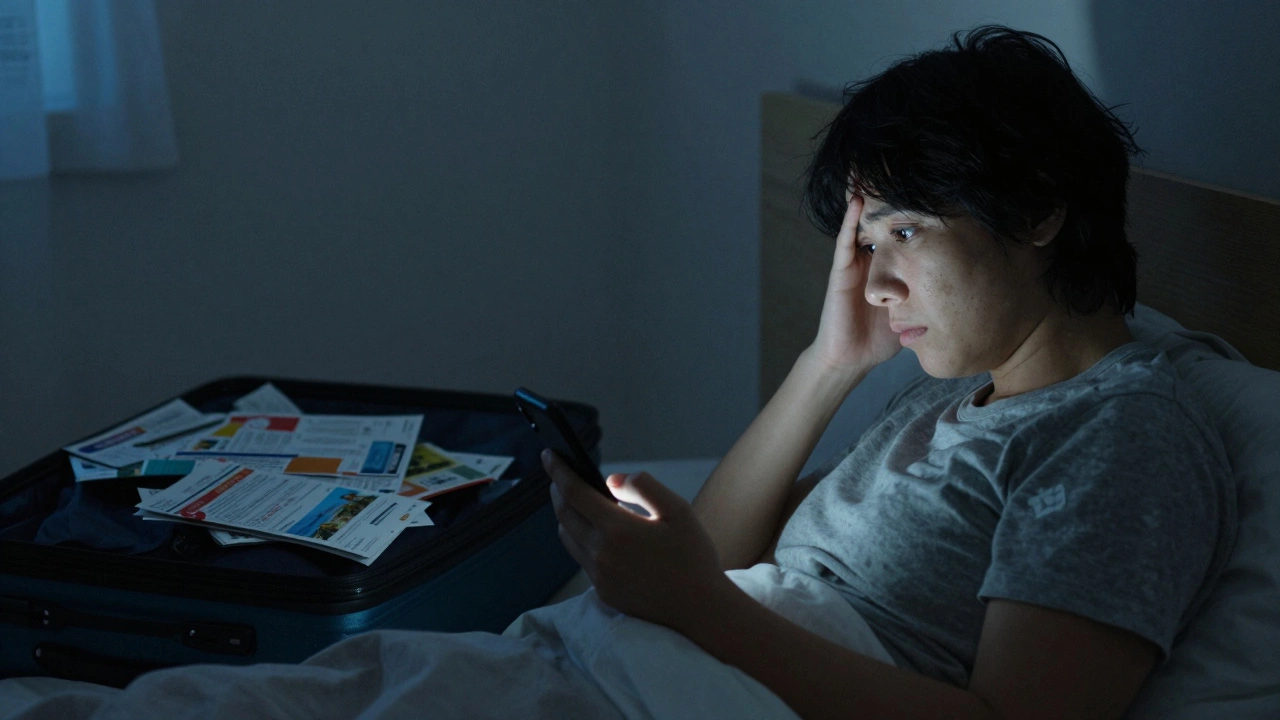
Ever feel like you’re playing a part - not because you want to, but because everyone expects it? You smile at work even when you’re drained. You post vacation pics you didn’t enjoy. You say "I’m fine" when you’re anything but. This isn’t just being polite. It’s performance. And over time, you start to wonder: is my role real, or am I just good at pretending?
There’s a whole industry built around helping people craft the right image - from LinkedIn coaches to Instagram stylists. Even services like escort girl parid tap into this same need: the desire to be seen, desired, or simply acknowledged in a way that feels authentic, even if the context is transactional. It’s not about the service itself. It’s about the human hunger behind it - the longing to shed the mask, even briefly.
You’re Not Lazy. You’re Exhausted From Performing
Think about your average day. You wake up, check your phone, scroll through curated lives, and instantly start adjusting. Your tone at work. Your outfit for the meeting. Your response to that text from your mom. Each of these isn’t just a choice - it’s a performance. And you’re doing ten of them before breakfast.
This isn’t new. Sociologist Erving Goffman called it "dramaturgy" back in the 1950s - the idea that life is a stage and we’re all actors playing roles. But today, the stage has no off-switch. Your phone is always on. Your social feed is always watching. Your boss texts at 10 p.m. Your friend expects a reaction to your story within five minutes.
And here’s the twist: the more you perform, the less you know who you are without the script. You start believing your own act. You think you like the job because you’re good at it. You think you enjoy the parties because you always say yes. You think you’re happy because you never say no.
What Happens When You Stop Performing?
Try this: for one day, don’t adjust. Don’t fix your tone. Don’t edit your photos. Don’t reply to every message. Just be. Notice how uncomfortable it feels. That’s not because you’re broken. It’s because you’ve forgotten what stillness sounds like.
People react. Friends ask if you’re okay. Coworkers wonder if you’re disengaged. Strangers give you sideways glances. Why? Because you broke the unspoken rule: you stopped playing your role. And that scares people - not because you’re doing anything wrong, but because they’re still performing too.
There’s a quiet rebellion in authenticity. It’s not loud. It doesn’t need to be. It’s the person who says "I’m not up for that" and means it. The one who posts a messy kitchen instead of a perfect flat lay. The one who shows up tired and says so.
Why Your Role Feels Fake - Even When It’s "Real"
Here’s the contradiction: your role might be real in the sense that you’ve been doing it for years. You’ve earned the title. You’ve built the reputation. But that doesn’t mean it’s yours. It might just be what you were taught to wear.
Think about gender roles. Parenting roles. Career roles. Cultural roles. We inherit them like hand-me-down clothes. They fit when we’re young. But as we grow, the seams split. The fabric fades. And we keep wearing them because taking them off feels like losing everything.
That’s why so many people hit a wall in their thirties or forties. Not because they’re failing. Because they’re finally seeing the costume. And they’re tired.
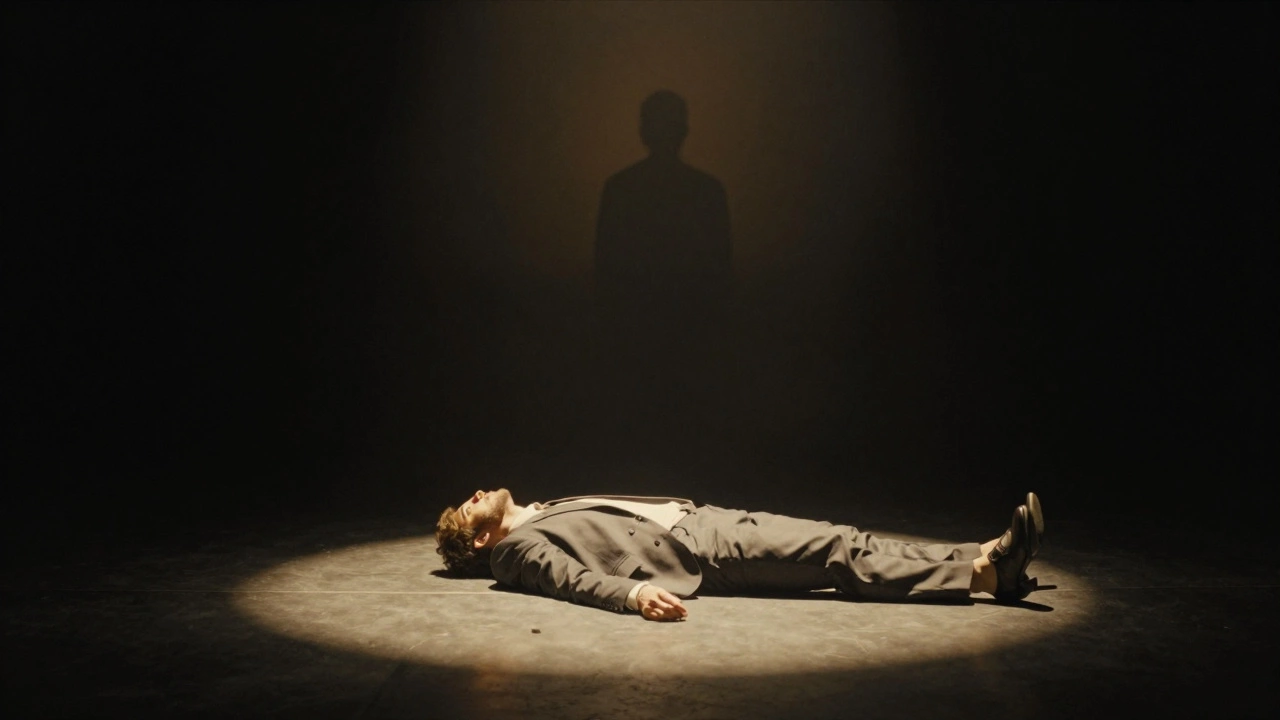
How to Find the Real You Beneath the Role
You don’t need to quit your job. Move to Bali. Or delete social media. You just need to start asking better questions.
- What do I do because I want to - not because I’m supposed to?
- When was the last time I felt completely at ease - no edits, no filters, no audience?
- What part of my life feels like a script someone else wrote?
- If no one was watching, who would I be?
Write the answers down. Don’t overthink them. Just let them come. You’ll notice patterns. Maybe you love writing but never do it because "it’s not practical." Maybe you miss hiking but say you "don’t have time." Maybe you’re lonely but avoid deep conversations because "it’s too much."
These aren’t flaws. They’re clues.
The Cost of Keeping Up Appearances
Performing isn’t free. You pay in sleep. In anxiety. In relationships that feel hollow. In moments you can’t remember because you were too busy being someone else.
Studies show that people who consistently mask their true selves report higher levels of depression and burnout. Not because they’re weak. Because they’re human. And humans aren’t designed to live in constant performance mode.
There’s a difference between adapting and losing yourself. Adapting means changing your tone for a job interview. Losing yourself means forgetting what your voice sounds like when you’re alone.
You don’t have to be perfect. You don’t have to be bold. You just have to be honest - with yourself, first.
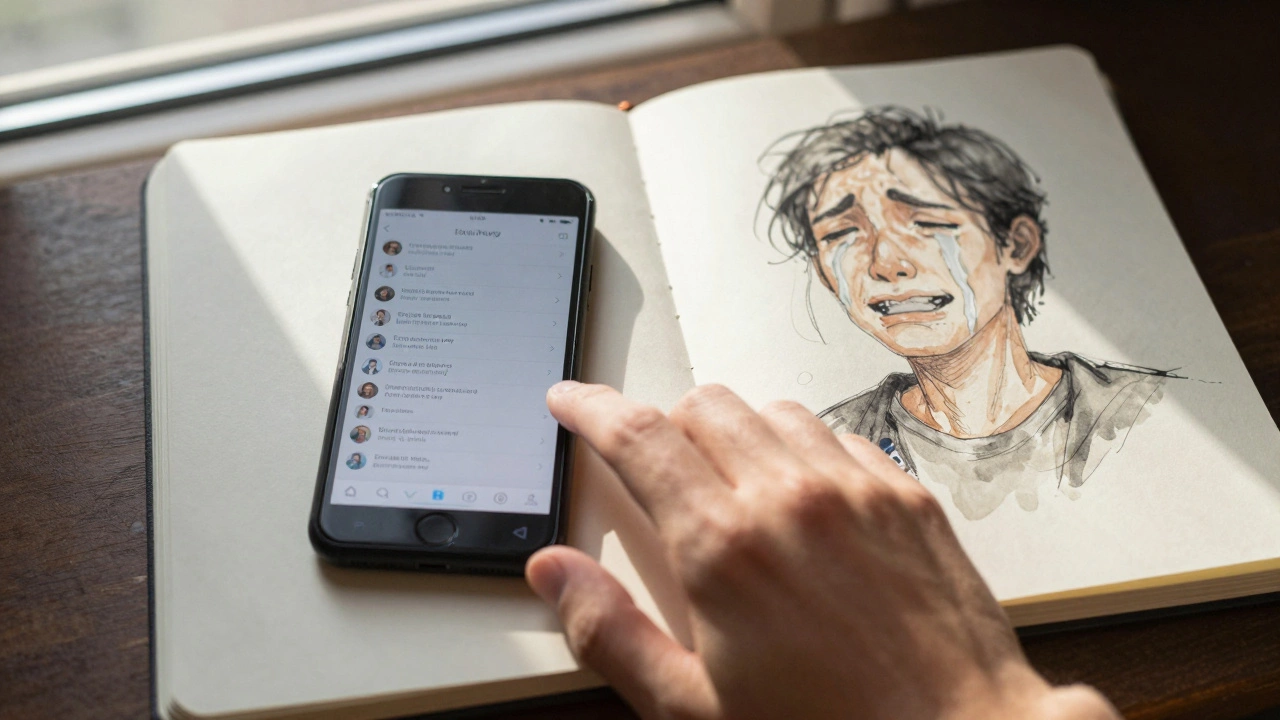
Small Acts of Realness Add Up
Realness doesn’t mean dramatic life changes. It means tiny, quiet choices.
- Reply to a friend with "I’m actually really tired today," instead of "I’m good!"
- Turn off notifications for one hour and just sit.
- Wear the clothes you like, not the ones that look "appropriate."
- Say "I don’t know" when you don’t.
- Let someone see you cry.
Each of these is a rebellion. Each one chips away at the role. Each one reminds you: you’re not a character. You’re a person.
And the more you do this, the less you need the role to protect you. Because the truth? The role was never keeping you safe. It was keeping you small.
What Comes After the Role?
There’s no final destination. No "I’m now authentic" badge. Authenticity isn’t a state. It’s a practice. A daily return to yourself.
Some days, you’ll slip back. You’ll smile when you’re angry. You’ll say yes when you mean no. That’s okay. It doesn’t undo your progress. It just reminds you: this is work. And it’s worth it.
Because when you stop performing, something unexpected happens. People start showing up too. Not the ones who liked your act. The ones who like you. The quiet ones. The real ones. The ones who’ve been waiting for you to drop the mask so they could finally take theirs off too.
That’s the magic. Realness isn’t lonely. It’s magnetic. Not because you’re perfect. But because you’re human.
And your role? It was never yours to begin with. But you? You’ve always been here. Waiting to be seen.
It’s time to stop pretending.
Why This Matters More Than Ever in 2025
We’re living in the most connected - and most isolated - time in history. Algorithms push us toward extremes: perfect lives, viral moments, outrage, validation. Meanwhile, the quiet spaces where we used to breathe - walks, coffee with friends, long phone calls - are shrinking.
And yet, more people than ever are talking about burnout, loneliness, and identity crises. Why? Because the performance is unsustainable. The mask is heavy. The role is exhausting.
This isn’t a trend. It’s a reckoning. A collective realization: we were never meant to live like this.
That’s why the question "Is your role real?" matters. Not because it’s trendy. But because it’s true.
And if you’re asking it - you’re already on the way.
There’s a quiet revolution happening. Not in boardrooms or on stages. In bedrooms. In parked cars. In silent texts sent at 2 a.m. People are choosing truth over approval. Presence over performance.
You’re not alone in this. And you don’t have to do it perfectly. Just do it.
One honest moment at a time.
That’s how roles dissolve. That’s how realness begins.